Meal Habits & Everyday Wellness
Ever Wonder Why Biblical drink (oil)/ Honey blend Still Shows Up in Kitchens Today?
Biblical drink (oil)/ Honey blend has a long culinary history in traditional kitchens. This page looks at everyday meal habits — not medical treatment. Keep working with your own doctor and don’t change anything about your care on your own.
The Parts Of The Day Nobody Talks About
You already know your own routine better than anyone. Here’s what a lot of people quietly deal with.
So Many Rules, So Little Clarity
One article says avoid this, another says it's fine. Figuring out what actually belongs on your plate can feel like a full-time job.
The Afternoon Slump
Lunch ends and energy dips not long after. It's a pattern many people notice but rarely talk about out loud.
Every Meal Feels Like A Decision
Deciding what to eat, three times a day, every day, adds up. That mental load is real, even when nobody mentions it.
Mornings That Start Tired
Waking up already worn out changes the whole tone of a day, long before the first meal is even on the table.
Myths vs. Facts: Sorting Through The Noise
A lot of what circulates about carbs, fruit and ‘diabetic food’ sounds confident. That doesn’t make it accurate.
Fruit is off the table once you start watching what you eat.
Whole fruit, portioned thoughtfully, shows up on plenty of balanced plates. Specifics for you are a conversation for your doctor or dietitian, not a headline.
If a label says ‘diabetic-friendly,’ it’s automatically a safe pick.
That phrase is marketing language, not a medical guarantee. Reading the actual ingredient list — and talking to your healthcare provider — matters more than the label.
All carbohydrates act the same way once they’re on your plate.
Carbohydrate sources differ a lot in fiber and structure, and how a meal is put together often matters as much as any single ingredient.
Three Habits People Build Around Meals
None of this replaces medical care. It’s simply how some people structure the parts of eating they can control.
Give The Meal A Rhythm
Eating without rushing — actually chewing, actually pausing — is a habit some people build meal by meal, not overnight.
Think About Plate Order
Some people start with vegetables, then protein, then the rest. It’s a habit, not a rule, and it’s worth discussing with a professional who knows your situation.
Add A Short Walk Afterward
A slow walk after eating is a small ritual some households have picked up — nothing intense, just moving instead of sitting still right away.
Where Biblical drink (oil)/ Honey blend Comes From
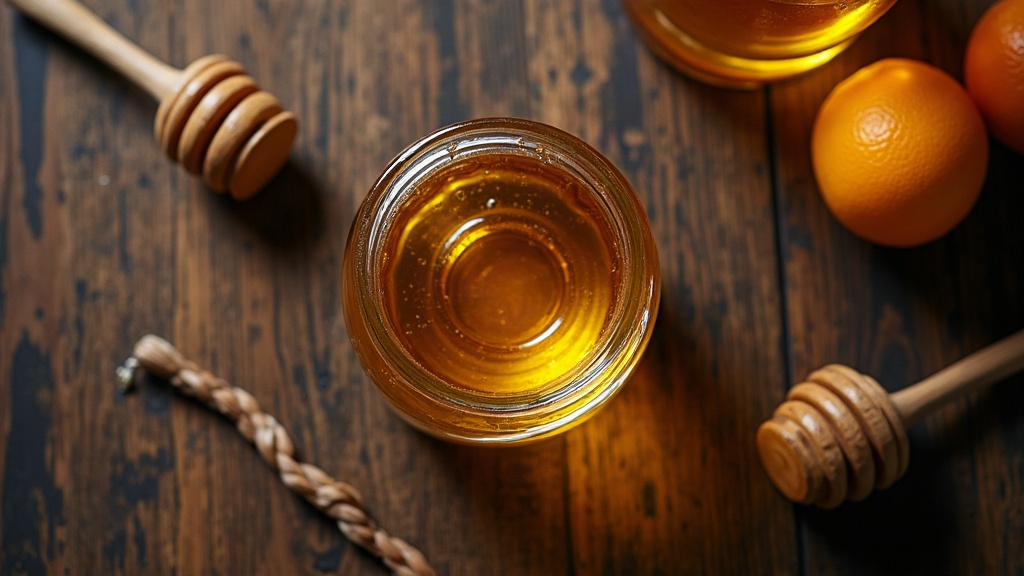
Long before it had a marketing name, this kind of oil-and-honey combination showed up in traditional kitchens across the Mediterranean and Middle East. Honey was drizzled over bread, stirred into warm drinks, or paired with olive oil as a simple condiment at the table. It wasn’t a remedy kept in a cabinet — it was food, served alongside olives, herbs and flatbread, the way any pantry staple would be.
The story here is culinary, not clinical: a pairing that traveled through generations of home cooking, not a mechanism studied in a lab.
Six Everyday Moments Worth Mentioning To Your Doctor
Energy That Doesn't Bounce Back
If tiredness lingers no matter how you adjust your meals, that's worth describing to the doctor who already knows your history.
Mood Swings Tied To Eating Times
Noticing irritability or fog around certain meals is useful information — bring it to your next appointment instead of guessing at home.
Travel Or Schedule Changes That Throw You Off
When routines shift and meals get unpredictable, ask your care team how to plan ahead rather than improvising alone.
Family History Conversations
If relatives have talked about their own blood sugar habits, that context is worth sharing with your own doctor, not just your family group chat.
Questions About Timing With Medication
Any question about how meals line up with a prescribed treatment belongs with the prescribing professional — never a personal experiment.
Appetite That Changes Without Explanation
A noticeable shift in hunger or fullness, with no clear cause, is exactly the kind of detail your doctor would want to hear about directly.
How People Talk About Their Own Routines

These are individual experiences shared for illustrative purposes only. They are not a guarantee of any particular outcome, and results vary from person to person. Always consult your healthcare provider about your own care.
Curious About The Rest Of The Story?
See how Biblical drink (oil)/ Honey blend fits into everyday kitchens — and remember, this is educational content, not a substitute for your doctor’s guidance. Don’t change any part of your treatment without talking to them first.
Advertising Disclosure: This page contains sponsored content and affiliate links. We may receive compensation if you click a link or make a purchase through the links provided on this page. This helps support the operation of this website.
Content Disclaimer: This content is for educational and informational purposes only. It has not been evaluated by the FDA. It is not intended to diagnose, treat, cure or prevent any disease and is not a substitute for professional medical advice, diagnosis or treatment. Always consult a qualified healthcare professional before changing your diet, routine, or any prescribed treatment.
Results Disclaimer: Individual results vary. Any testimonials or examples shared on this page reflect individual experiences and are not a guarantee of results for you or anyone else.
© 2026 consensusargentina.com · All Rights Reserved